Best Seasons for Window Glass Reglazing

Spring offers moderate temperatures ideal for reglazing, reducing the risk of glass cracking due to temperature fluctuations.
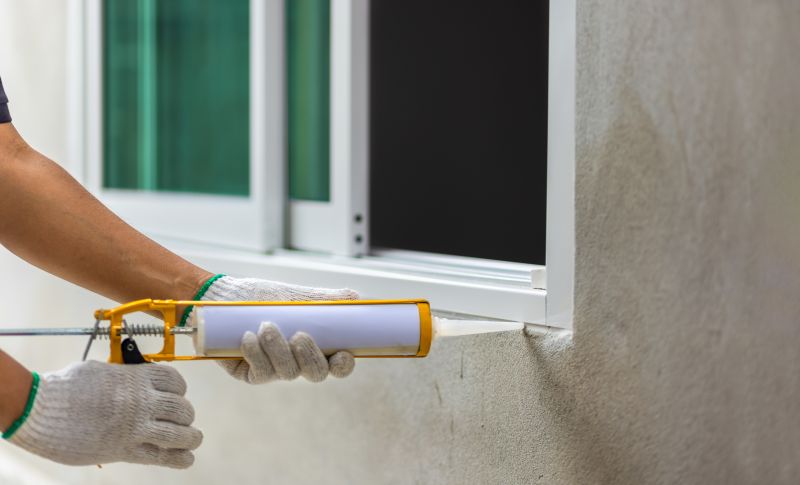
Summer's warm weather facilitates easier handling and curing of sealants, making it a suitable time for reglazing projects.
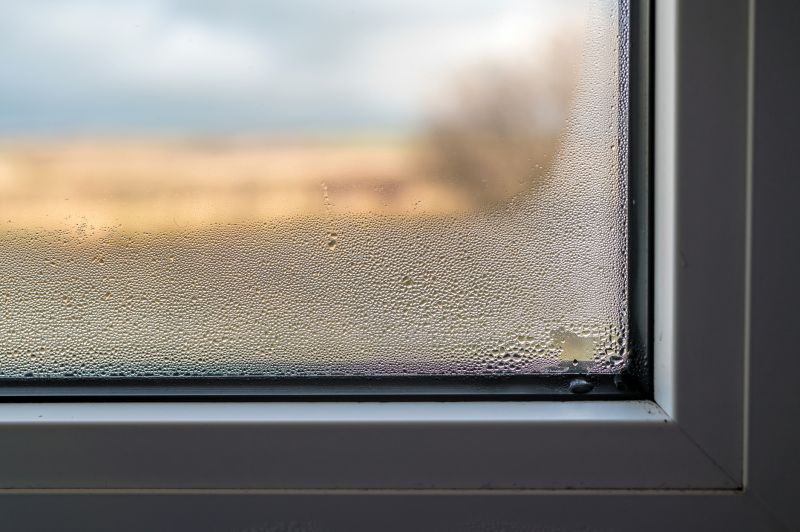
Fall provides cooler temperatures and lower humidity, which can improve adhesion and longevity of the reglazing.

Ways to make Window Glass Reglazings work in tight or awkward layouts.
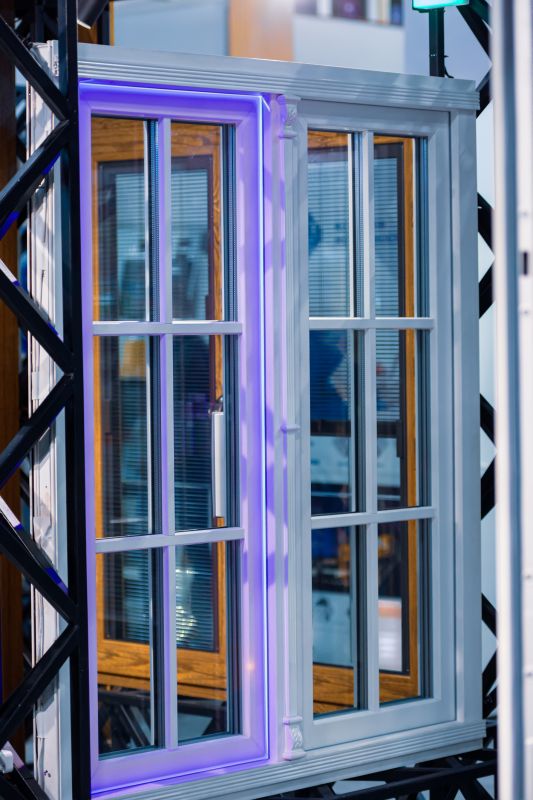
Popular materials for Window Glass Reglazings and why they hold up over time.

Simple add-ons that improve Window Glass Reglazings without blowing the budget.
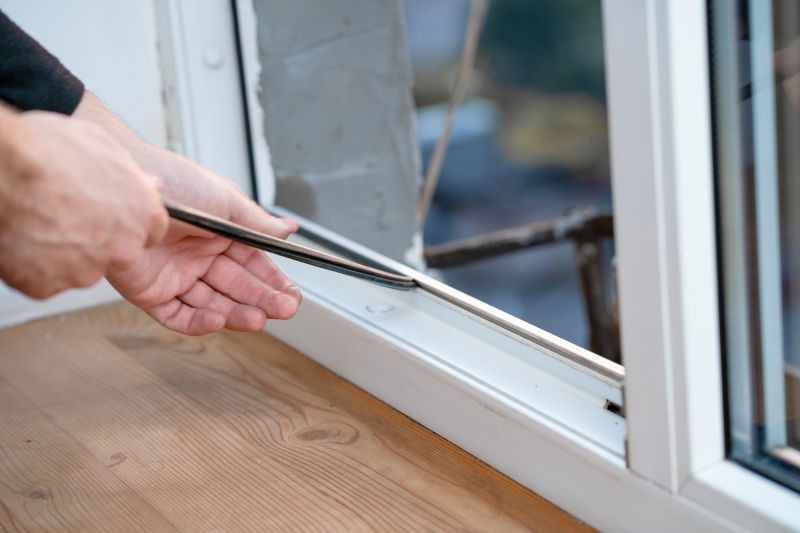
Window glass reglazings involve replacing the sealant or glazing compound around window panes to improve insulation, prevent leaks, and restore appearance. Proper timing ensures optimal adhesion and durability of the new sealant. Weather conditions significantly influence the success of reglazing; ideal conditions include moderate temperatures, low humidity, and dry conditions. Extreme heat or cold can cause sealants to fail or crack, leading to additional repairs. Typically, spring and fall are considered the best seasons for reglazing, as they offer stable weather conducive to proper application and curing.
Weather stability is crucial for successful reglazing. Avoid reglazing during periods of high humidity, rain, or extreme temperatures.
Different sealants and glazing compounds have specific temperature ranges for optimal application and curing.
Timing reglazing appropriately can extend the lifespan of window seals, reducing future maintenance costs.
Many professionals recommend scheduling reglazing projects in spring or fall for best results.

Optimal weather conditions for sealant application and curing.
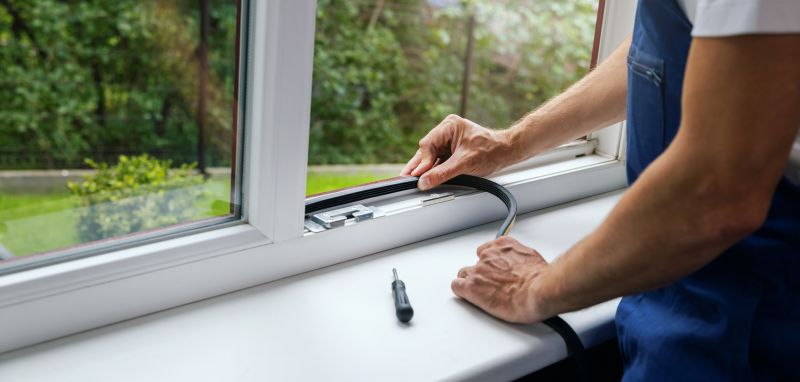
Ideal for projects requiring warmer temperatures and longer curing times.
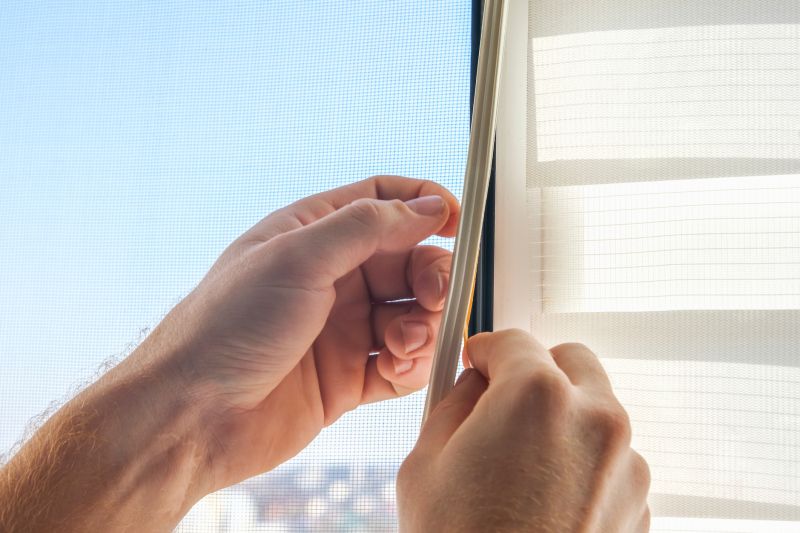
Prepares windows for winter by ensuring seals are intact before cold weather.
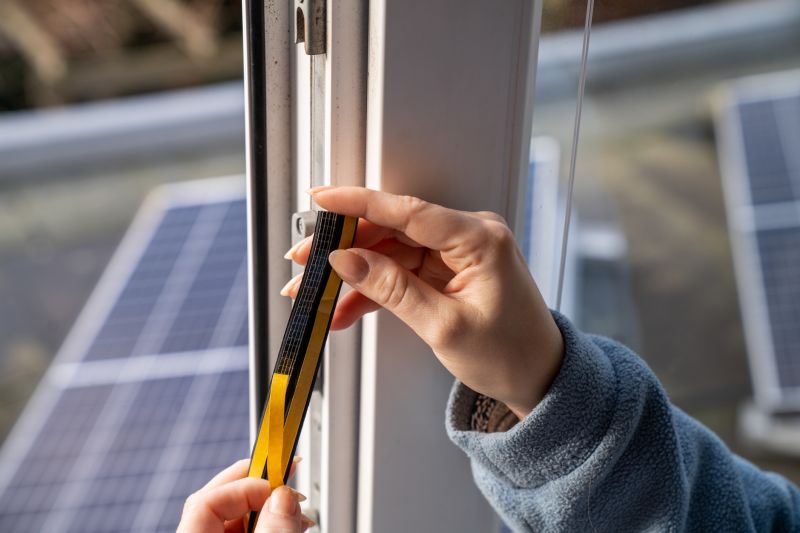
Generally not recommended due to cold temperatures and potential for sealant failure.
Choosing the right time for window glass reglazings can influence the durability and effectiveness of the seal. Proper weather conditions promote better adhesion of sealants, reducing the likelihood of air or water leaks. While spring and fall are generally preferred, specific climate patterns may affect timing. For regions with mild winters, reglazing can sometimes be performed in winter with appropriate precautions. Consulting with professionals can help determine the most suitable timing based on local weather conditions and the specific type of sealant used.
| Season | Ideal Conditions |
|---|---|
| Spring | Moderate temperatures, low humidity, dry weather |
| Summer | Warm weather, low humidity, longer daylight |
| Fall | Cooler temperatures, dry conditions, stable weather |
| Winter | Cold temperatures, high risk of sealant failure, generally not recommended |
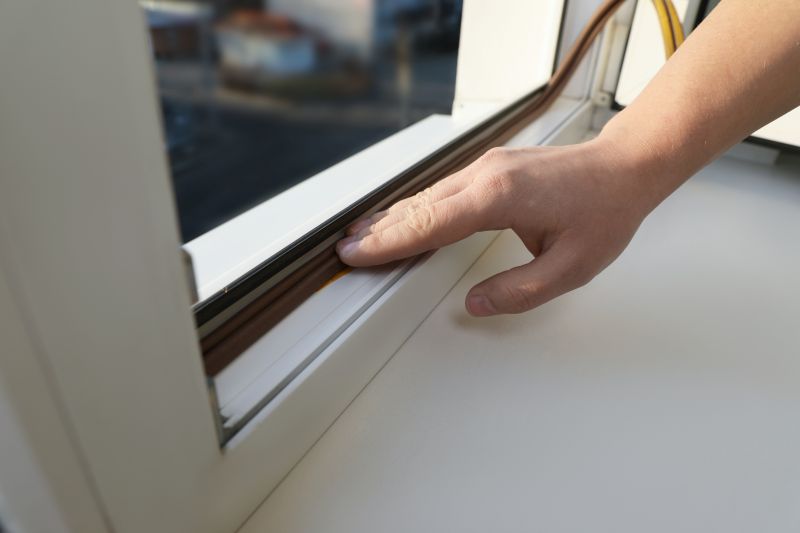
Favorable for sealant adhesion and curing.

Warm temperatures facilitate application but watch for high humidity.
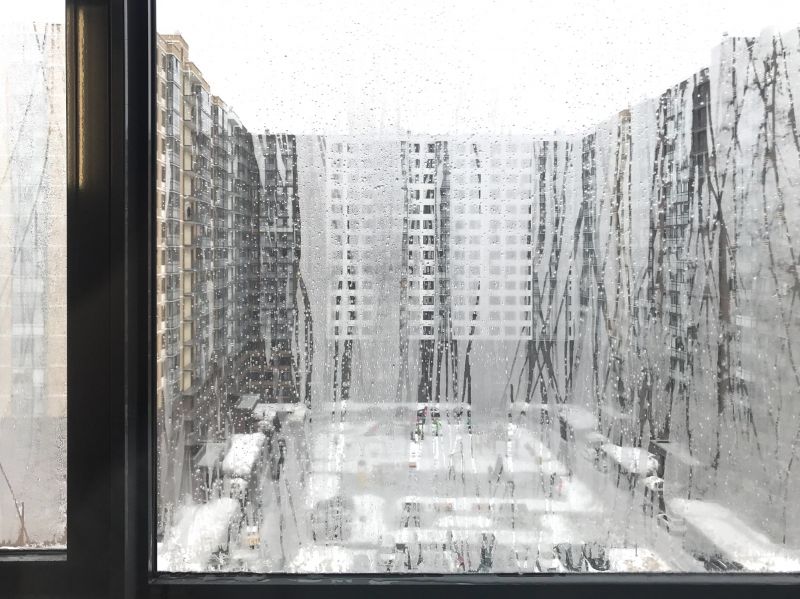
Provides stable and dry conditions for successful reglazing.
Cold temperatures hinder proper sealant curing and adhesion.
Timing window glass reglazings appropriately can ensure a longer-lasting seal and better insulation performance. Weather forecasts should be monitored to avoid scheduling during rain, snow, or extreme temperatures. Proper preparation, including cleaning and drying the window frame, is essential regardless of the season. When performed under optimal weather conditions, reglazing can significantly improve window performance and reduce future energy costs.
Interested parties are encouraged to contact professionals to discuss the best timing for window glass reglazings based on local climate conditions and project specifics. Proper scheduling can lead to better results and increased durability of the window seals.